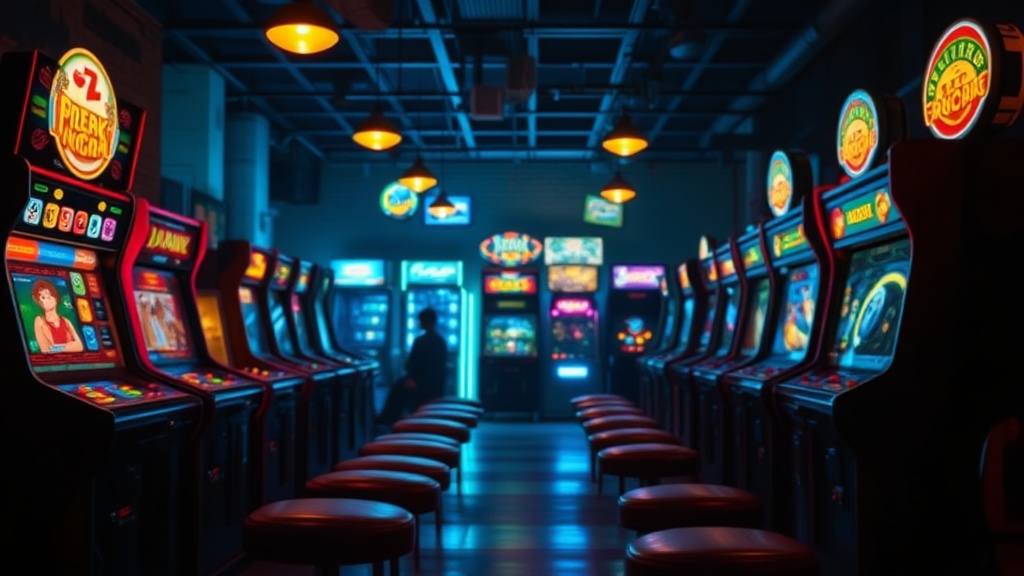
Why Overlooked Arcade Tokens Often Become the Most Valuable Pieces in Your Collection

Most collectors assume that tokens from famous arcades—Chuck E. Cheese, Dave & Buster's, or Tilt—are automatically the most desirable finds. That assumption costs them dearly. The truth is, some of the most sought-after arcade tokens come from short-lived family fun centers, regional chains that folded within a decade, or independent arcades that barely survived the 1983 video game crash. This guide explores what makes these overlooked pieces worth hunting down, how to identify them, and why they're becoming increasingly difficult to find.
What Makes a 'Forgettable' Arcade Token Worth Hundreds?
Rarity drives value in any collectible market—arcade tokens included. But rarity in this niche works differently than you might expect. A token isn't valuable simply because it's old. It's valuable because it represents a moment in time that's been erased from public memory.
Take the tokens from Time-Out Family Amusement Centers, a regional chain that operated primarily in the American Southeast during the late 1970s and early 1980s. Most locations closed during the crash, and remaining stock—including replacement tokens—was liquidated or melted down. Today, a Time-Out token in decent condition can fetch $40 to $80 at auction. Compare that to a generic modern Chuck E. Cheese token, which sells for under $2 despite being decades newer.
The math is simple: limited supply plus zero chance of new production equals climbing prices. But there's another factor at work here—nostalgia from a specific generation. Collectors who visited these forgotten arcades as children are now in their 40s and 50s with disposable income. They're not just buying metal discs; they're buying back a piece of their childhood that they thought was gone forever.
How Do You Identify Tokens From Defunct Arcades?
Spotting valuable overlooked tokens requires more than a quick glance. You need to know what to look for—and just as importantly, what questions to ask sellers who often don't realize what they're holding.
Start with the obvious markers: company names you've never heard of, unusual metal compositions (brass tokens from the 1970s are particularly interesting), and location-specific markings. A token that reads "Good for 25¢ in Trade at [Specific City] Family Fun Center" is almost always worth investigating further. Regional specificity usually indicates a small operation—exactly the type of business that left behind limited artifacts.
Pay special attention to amusement park tokens from defunct attractions. Theme parks like Action Park in New Jersey or Magic Mountain locations that have since rebranded issued their own arcade tokens for on-site game rooms. When the park closed or the game room shut down, those tokens became instant collectibles.
Online research is your friend here. The Token and Medal Society maintains extensive databases of known arcade tokens, including many from obscure regional chains. Cross-reference any unfamiliar finds against their catalog before making purchasing decisions.
Where Are the Best Places to Find These Hidden Gems?
You won't find overlooked arcade tokens browsing completed eBay listings—they're called "overlooked" for a reason. The real finds happen in places most collectors ignore.
Estate sales in small towns are gold mines. When someone who operated or managed a local arcade passes away, their personal effects often include boxes of tokens that never made it into circulation—or samples kept as mementos. The family selling these items typically has no idea of their value and prices them as "old tokens, $5 for the box."
Thrift stores in former arcade-heavy areas (boardwalk towns, mall-adjacent neighborhoods, suburban commercial strips from the 1980s) occasionally receive donations from old business owners cleaning out storage units. Check the miscellaneous trinket bins—not the display cases—since staff rarely recognize tokens as valuable.
Metal detector enthusiasts occasionally unearth arcade tokens from the sites of demolished buildings. While condition varies wildly (underground metal deteriorates based on soil composition), these "dug" tokens carry provenance that some collectors find irresistible. A token recovered from the actual location of a long-gone arcade tells a story that a pristine mint piece never could.
Don't overlook bulk token lots sold as "assorted arcade tokens, unidentified." Sellers who lack the patience to sort through thousands of pieces often dump them cheap. With patience and a good reference guide, you can pull valuable finds from these grab bags for pennies on the dollar.
What Condition Issues Are Acceptable for Rare Finds?
Here's where collecting philosophy gets interesting. With common tokens—modern Dave & Buster's pieces, for example—condition is everything. You want sharp edges, clear stamping, original luster. The supply is endless, so there's no reason to settle for less than perfection.
With overlooked tokens from defunct arcades, the rules change. You're hunting artifacts, not investments (though they often become both). A token with honest wear—slight smoothing of edges from decades in someone's pocket, minor tarnishing that speaks to genuine age—these aren't flaws. They're evidence.
That said, certain damage types destroy value regardless of rarity. Corrosion that eats through the metal, attempts at cleaning that stripped original patina, or holes drilled for jewelry conversion—these are permanent scars. Learn to distinguish between "character" and "damage." The former adds story; the latter subtracts worth.
Storage matters once you acquire these pieces. Even rare tokens need protection from environmental factors. Individual flips or cardboard holders prevent scratching and limit air exposure. For truly valuable finds, consider archival-quality holders that block light and moisture entirely.
Red Flags That Suggest a Token Isn't What It Claims
The market for overlooked arcade tokens is still small enough that widespread counterfeiting isn't a major problem—yet. But smart collectors stay alert for warning signs.
Be suspicious of tokens that look too perfect. Genuine pieces from the 1970s and 1980s carried manufacturing variations: slightly off-center stamping, minor variations in metal composition, wear patterns that follow actual use. A token claiming to be from a 1978 arcade but looking like it was minted yesterday deserves scrutiny.
Unusually low prices for supposedly rare pieces should trigger investigation. If someone offers you a "one-of-a-kind" token from a legendary closed arcade for $10, they're either misinformed (possible), the token is fake (possible), or there's something else wrong with the transaction (probable). Trust your instincts—deals that seem too good usually are.
How Should You Document and Display Overlooked Finds?
The story behind a token matters as much as the piece itself. When you acquire an overlooked arcade token, document everything you know: where you found it, what the seller told you about its origin, any research you've conducted about the arcade it came from.
This provenance transforms a metal disc into a historical artifact. Future buyers—whether that's you selling to upgrade your collection, or your heirs decades from now—will want that context. Keep a simple spreadsheet or dedicated notebook. Photograph your tokens in natural light against neutral backgrounds. None of this is difficult, but it requires consistency.
Display choices depend on your collecting goals. If you're building a curated collection, consider shadow boxes that group tokens by theme, region, or era. Add printed photographs of the original arcades when you can find them—eBay sellers occasionally list old promotional materials, and local historical societies sometimes maintain photo archives of demolished businesses.
For active collectors who regularly handle their pieces, individual flip storage in organized binders works well. You'll sacrifice some visual impact for practicality, but you'll also preserve condition. That's a trade-off many serious collectors make willingly.
The overlooked arcade token market is still finding its footing. Prices that seem high today may look like bargains in five years as more collectors enter the space and supply continues shrinking. Or the niche could remain exactly that—small, specialized, understood only by those who remember the clatter of tokens dropping into arcade machines and the anticipation of what came next.
Either way, the hunt itself carries value. Every overlooked token you rescue from a junk bin or estate sale box preserves a fragment of gaming history that would otherwise disappear. You're not just collecting metal. You're collecting proof that these places existed—that for a few years, in a specific corner of the world, people fed these exact tokens into machines and played games that shaped their memories. That's worth more than any price guide can capture.