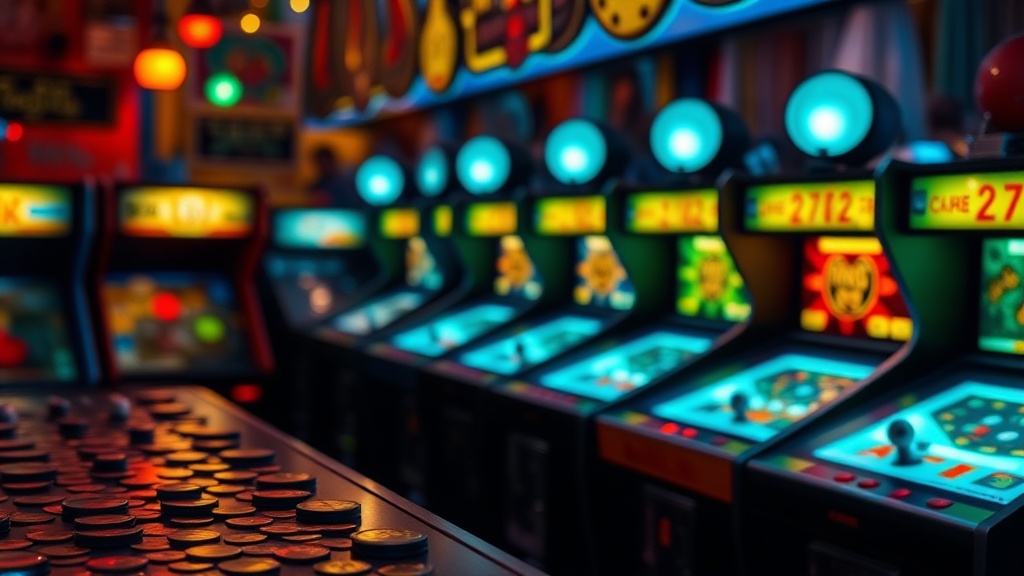
The Ultimate Guide to Collecting Vintage Arcade Tokens

This guide covers everything you need to start collecting vintage arcade tokens — from identifying rare pieces and understanding their history to proper storage, authentication, and building a collection that holds value. Whether you're hunting for tokens from defunct 1980s arcades or tracking down limited-edition promotional pieces, you'll find practical steps and honest advice to avoid common pitfalls and build something worth showing off.
What Are Vintage Arcade Tokens and Why Do People Collect Them?
Vintage arcade tokens are metal or plastic coins issued by arcades, amusement parks, and entertainment venues from the 1970s through the 1990s, used in place of quarters to play games. They're small pieces of gaming history. Each token tells a story about the venue, the era, and the culture of arcade gaming during its golden age.
Collectors chase these tokens for different reasons. Some focus on nostalgia — the tokens they pumped into Pac-Man machines as kids. Others hunt for rarity, seeking tokens from arcades that closed decades ago. The market spans from common pieces worth a dollar or two to rare tokens that fetch hundreds at auction. Unlike video game cartridges, tokens are portable, durable, and display beautifully in cases or binders.
The catch? Not all tokens are created equal. Modern arcades still use tokens, but vintage pieces — especially those from defunct chains or limited promotional runs — carry the real collector value. The distinction matters when you're spending money on pieces that may or may not appreciate.
How Do You Identify and Value Arcade Tokens?
Start with the basics: metal tokens, especially brass or copper-nickel alloy pieces from the 1980s, typically hold more value than modern aluminum or plastic alternatives. Look for identifying marks — venue names, city locations, dates, and unique designs. The more specific the information, the easier it becomes to research provenance.
Here's a framework for evaluating what you've found:
- Venue status: Tokens from defunct arcades (Aladdin's Castle, Circus Circus, Time-Out) command premiums over active chains.
- Mintage numbers: Limited runs — promotional tokens, anniversary pieces, special events — are inherently scarcer.
- Condition: Uncirculated tokens with original luster outperform worn, circulated pieces significantly.
- Metal content: Solid brass and copper-nickel alloys outvalue aluminum or zinc-plated alternatives.
- Design complexity: Detailed engravings, custom shapes, and multi-metal pieces indicate higher production investment.
Worth noting: the Token and Medal Society maintains resources for authentication and valuation. Cross-reference unknown pieces against their databases before making significant purchases. Condition grading follows similar scales to coin collecting — Mint State (MS), About Uncirculated (AU), and various circulated grades.
Where Are the Best Places to Find Vintage Arcade Tokens?
Physical venues still yield the best deals for patient collectors. Estate sales in cities with strong arcade histories — think Seattle, Austin, Chicago, and especially Las Vegas — regularly produce collections from original owners. Flea markets, antique malls, and garage sales in these regions can surface tokens at prices well below market value.
Online marketplaces expand your reach but require more caution. eBay remains the largest marketplace, with thousands of tokens listed weekly. The platform's sold listings feature shows actual transaction prices — not just asking prices — which helps calibrate valuations. That said, reproductions and misrepresented pieces appear regularly. Sellers sometimes list modern tokens as "vintage" or inflate scarcity claims.
Specialized forums and Facebook groups dedicated to exonumia (the study of coin-like objects) often have members trading tokens directly. The Professional Coin Grading Service doesn't grade arcade tokens, but their authentication standards and educational materials transfer well to this niche. Reddit's r/coins and r/exonumia communities also provide identification help and market insights.
Auction houses handling entertainment memorabilia — Heritage Auctions, for example — occasionally feature significant token collections. These venues command higher prices but offer authenticity guarantees that justify premiums for high-value pieces.
What Storage and Display Options Protect Your Collection?
Proper storage prevents tarnish, scratches, and environmental damage that destroy value. Arcade tokens, especially brass pieces, react to humidity and handling oils. Bare storage in jars or loose drawers invites oxidation and contact damage.
Here's the thing: you don't need expensive equipment to store tokens properly. Start with these essentials:
| Storage Method | Best For | Approximate Cost |
|---|---|---|
| 2x2 cardboard coin holders (Mylar flips) | Budget collections, frequent handling | $10-15 per 100 |
| Plastic coin tubes | Common tokens, bulk storage | $5-10 per pack |
| Intercept Shield albums | Display collections, active viewing | $25-40 per album |
| Air-Tite capsules | High-value pieces, long-term storage | $0.50-2.00 per capsule |
| Safe deposit box | Rare/valuable collections, insurance requirements | $50-200/year |
Environmental control matters. Store collections in stable temperatures away from attics and basements. Silica gel packets in storage containers combat humidity. For display pieces, LED lighting prevents the heat and UV damage that fluorescent and incandescent sources cause.
The Intercept Shield system — using copper-lined materials — actively neutralizes atmospheric pollutants that tarnish metals. For serious collectors with brass-heavy collections, the investment pays for itself in preserved condition.
How Do You Spot Fakes and Reproductions?
Reproduction tokens flood the market. Modern manufacturers produce "vintage-style" tokens for collectors, and unscrupulous sellers pass these off as originals. Some red flags are obvious; others require close examination.
Weight and dimensions provide the first clues. Original arcade tokens were machined to precise specifications for coin mechanisms. Reproductions often vary slightly in thickness, diameter, or weight. A digital caliper (the Mitutoyo 500-196-30 runs about $35) and a small scale verify measurements against documented originals.
Surface details reveal manufacturing methods. Vintage tokens show die-struck characteristics — crisp edges, consistent relief, and sometimes slight irregularities from manual striking. Modern reproductions often use casting, producing softer details and telltale mold marks. Magnification (a 10x loupe suffices) exposes these differences clearly.
The most dangerous fakes are contemporary counterfeits produced to deceive. These mimic original designs exactly but use modern metals or slight dimensional variations. Cross-referencing against documented specimens in collector databases — the Token and Medal Society maintains extensive records — helps identify anomalies. When in doubt, consult experienced collectors before purchasing expensive pieces.
What Makes Certain Arcade Tokens More Valuable Than Others?
Rarity drives value, but context determines desirability. A token from a single-location arcade that operated for six months in 1983 beats a token from a national chain that produced millions. Historical significance amplifies scarcity — tokens from the first Chuck E. Cheese locations or from iconic venues like the original Circus Circus in Las Vegas command premiums beyond their mintage numbers.
Errors and varieties create collecting opportunities. Double strikes, off-center impressions, and wrong-metal planchet errors occur in token production just as in coin minting. These pieces attract specialized collectors willing to pay substantial premiums. The challenge? Verifying that an "error" isn't post-mint damage or deliberate alteration.
Complete set completion drives competitive collecting. Some collectors target every token from defunct chains like Aladdin's Castle (over 400 locations at peak) or specific regional operators like Time-Out Family Amusement. Completing these sets requires patience, networking, and sometimes significant travel — half the fun, honestly, for serious collectors.
Building Your Collection: Where to Start
New collectors face a choice: breadth or depth. A broad approach samples tokens from many venues, eras, and regions. This builds general knowledge and helps identify personal interests. Deep collecting focuses intensively — every token from a specific chain, or every 1980s arcade in a particular city, or every token featuring a specific design motif.
Neither approach is superior. The breadth route prevents early burnout and builds foundation knowledge. The depth route creates expertise that translates to better deals and authentication confidence. Many collectors start broad, then narrow focus as specific interests emerge.
Documentation separates serious collectors from accumulators. Record purchase dates, prices, sources, and any provenance information. Photograph pieces in consistent lighting. This documentation protects value for resale and helps track collection growth. Spreadsheets work; specialized software like CoinManage or even simple databases suffice.
Budget realistically. Five hundred dollars builds a respectable starter collection with focus and patience. Five thousand dollars enters serious territory. Five figures? You're competing for genuinely rare pieces at that level. Set spending limits before browsing — the thrill of the hunt clouds judgment otherwise.
Vintage arcade tokens offer tangible connections to gaming history that screenshots and emulators can't replicate. Each piece passed through countless hands, bought moments of joy, and survived decades to reach your collection. The hunt continues. The stories accumulate. And somewhere out there, your next great find waits.