
How to Start an Arcade Token Collection That Actually Gains Value Over Time

Most people start collecting arcade tokens the same way: they grab whatever looks cool, cheap, or nostalgic. Six months later, they’ve got a pile of metal discs with no real direction—and no real value.
If you want a collection that actually grows in worth (and not just sentiment), you need a strategy. Not complicated, not academic—just intentional.
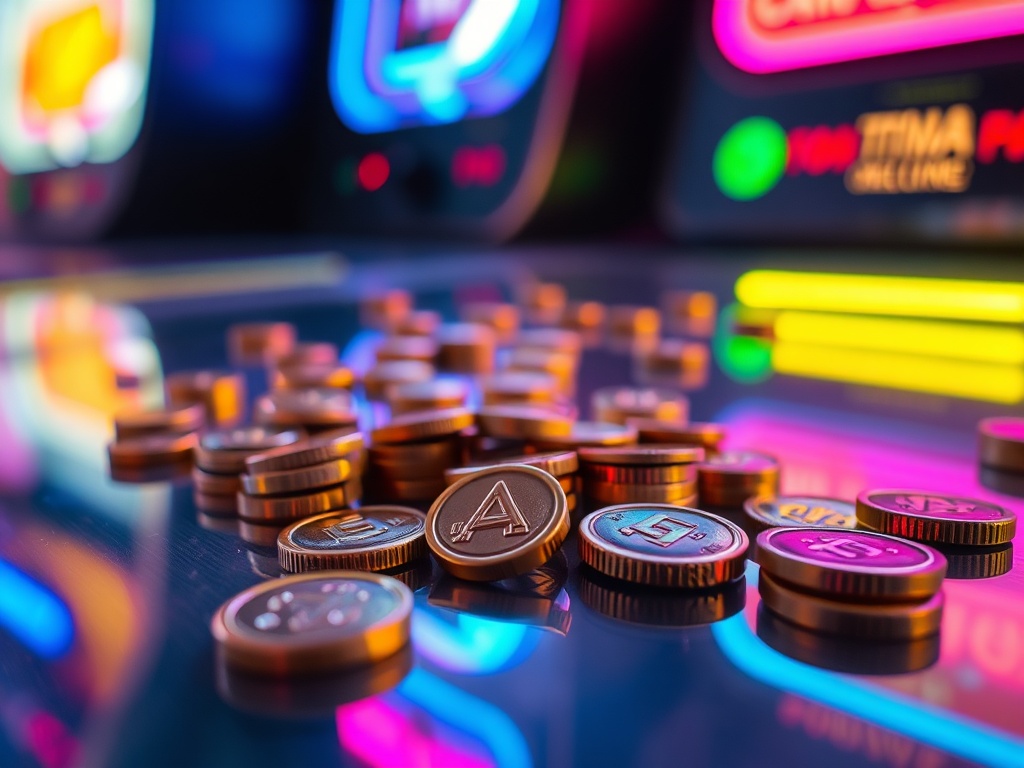
Step 1: Decide What Kind of Collector You Are
Before you buy anything, you need a lane. The biggest mistake new collectors make is trying to collect everything.
Pick one of these approaches:
- Location-based: Tokens from a specific city, region, or country
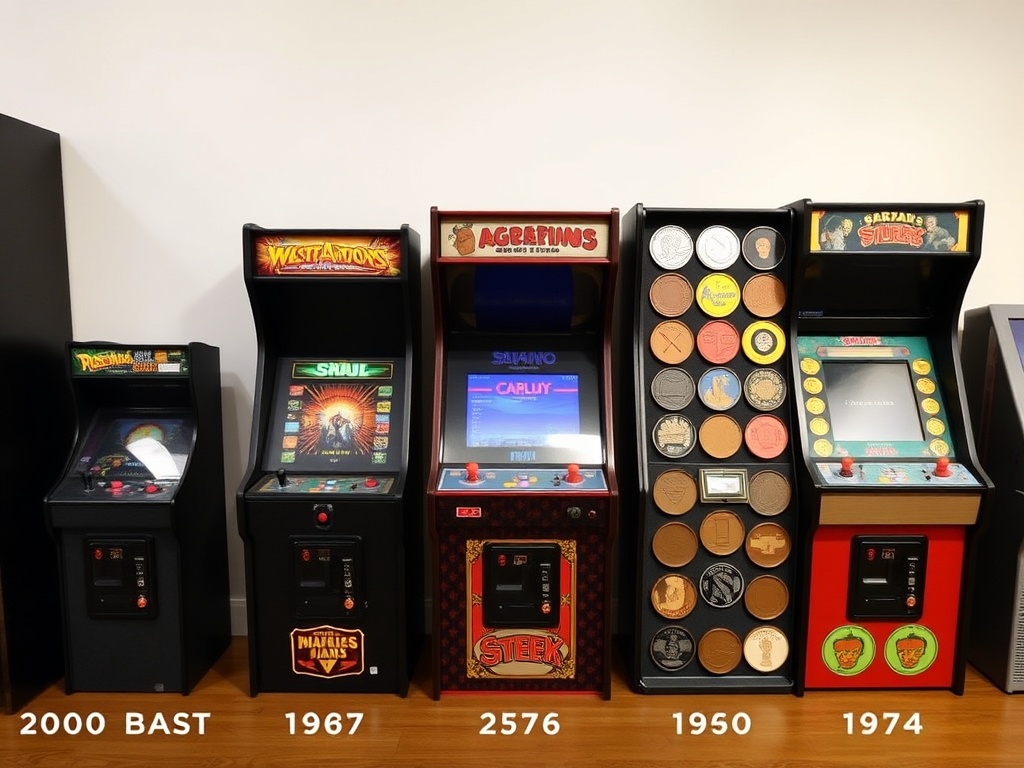
- Era-based: 1970s brass tokens, 80s nickel-plated pieces, etc.
- Theme-based: Family entertainment centers, casinos, or specific arcade chains
- Rarity-focused: Limited-run or short-lived arcade locations
The narrower your focus, the easier it becomes to spot undervalued pieces.
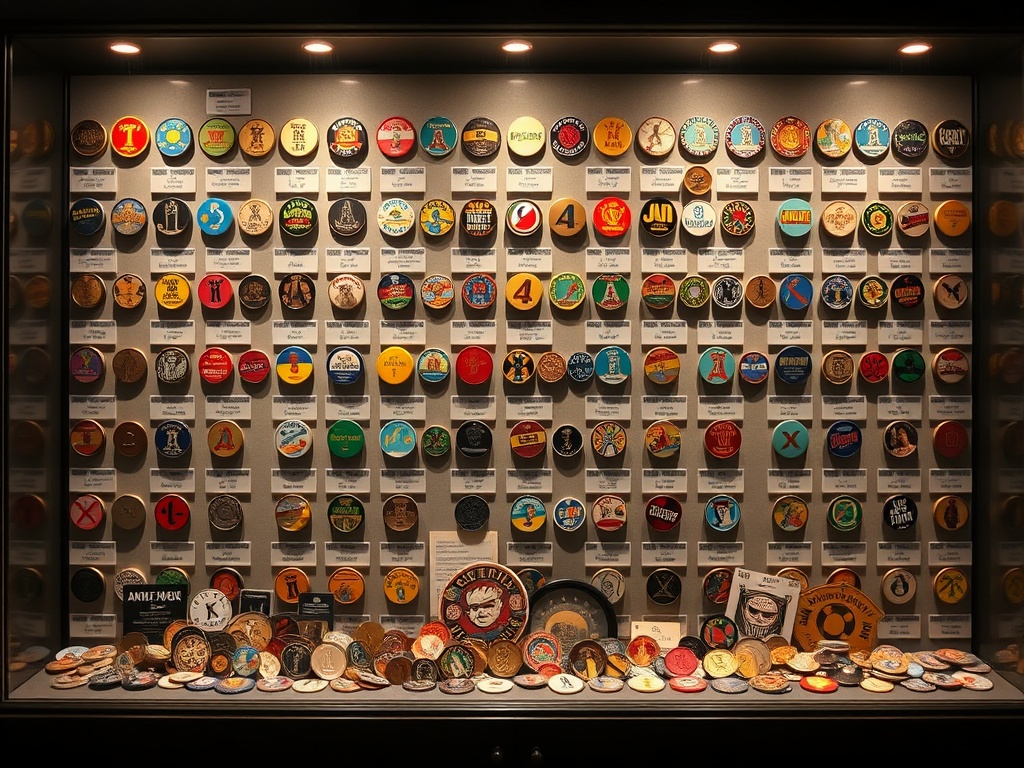
Step 2: Learn to Identify Value Drivers
Not all tokens are created equal. Some are worth pennies, others quietly sell for $20–$100+.
Here’s what actually matters:
- Scarcity: Defunct arcades and limited runs drive value
- Condition: Crisp edges and readable text beat worn-down pieces
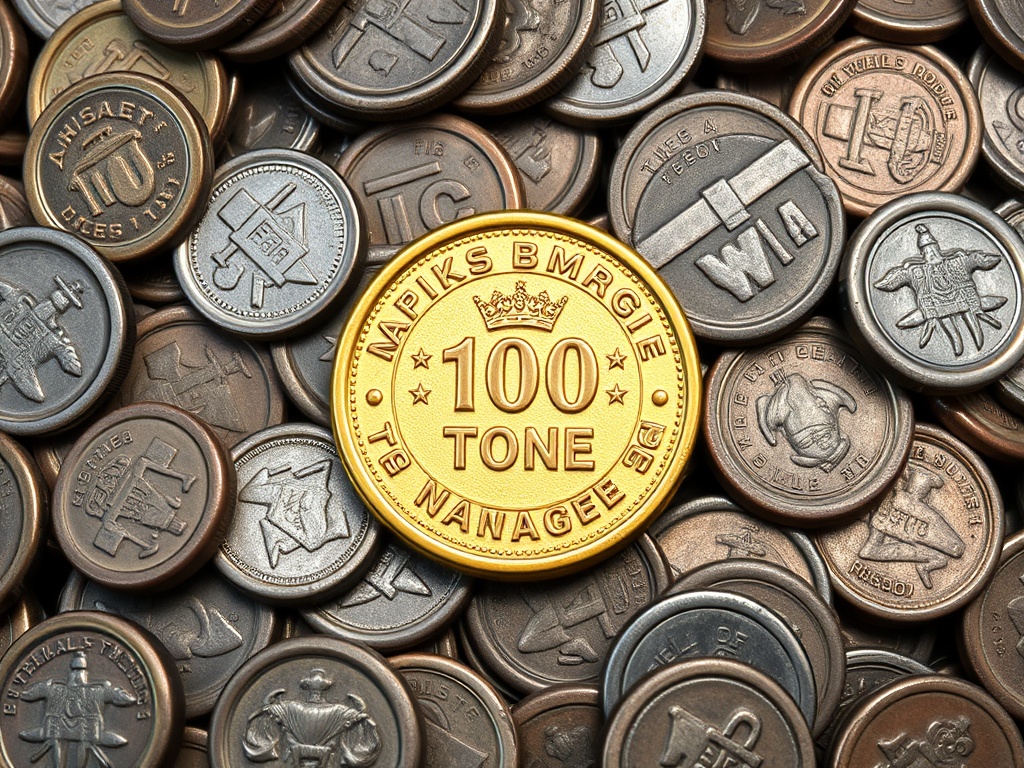
- Design: Unique artwork, logos, or unusual shapes stand out
- Historical relevance: Tokens tied to well-known chains or events
If you can quickly evaluate these four factors, you’ll outpace 90% of casual buyers.
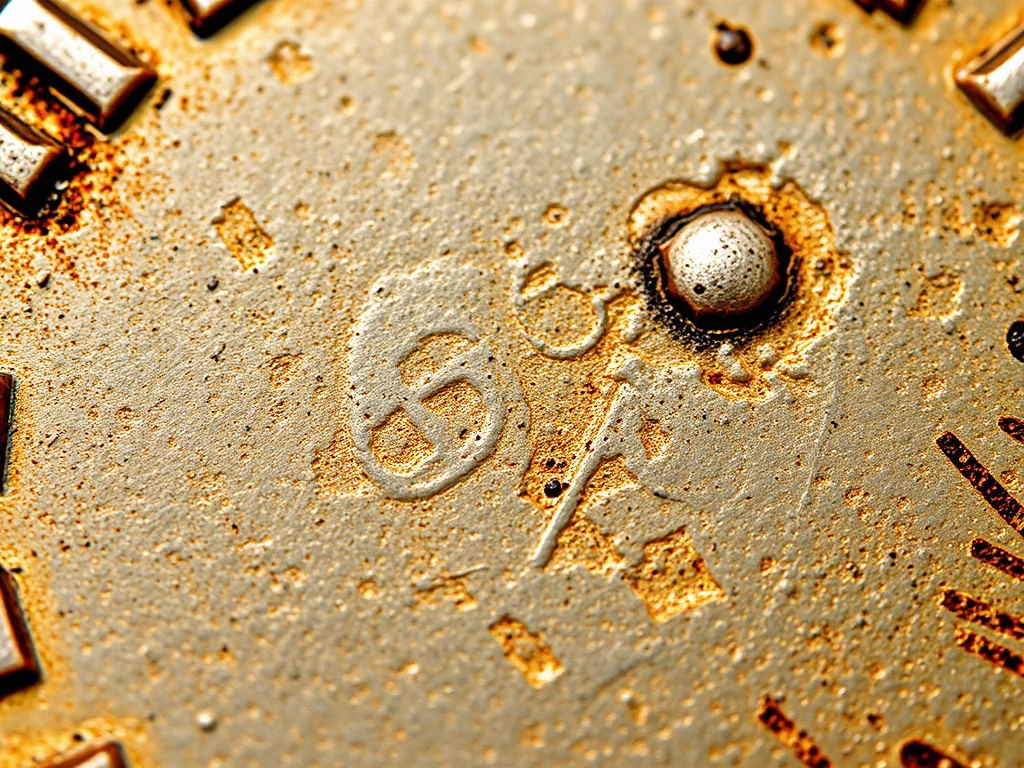
Step 3: Start Small—but Be Selective
Don’t rush to build volume. A 20-piece focused collection beats a 200-piece random pile.
Set rules for your early purchases:
- Only buy tokens that fit your niche
- Avoid heavily worn pieces unless they’re rare
- Skip overpriced listings driven by hype
Early discipline compounds. It also trains your eye for quality.

Step 4: Build Relationships in the Collector Community
Value doesn’t just come from what you buy—it comes from who you know.
Serious collectors share leads, trade duplicates, and flag underpriced listings before they go public.
Where to connect:
- Collector forums and niche Facebook groups
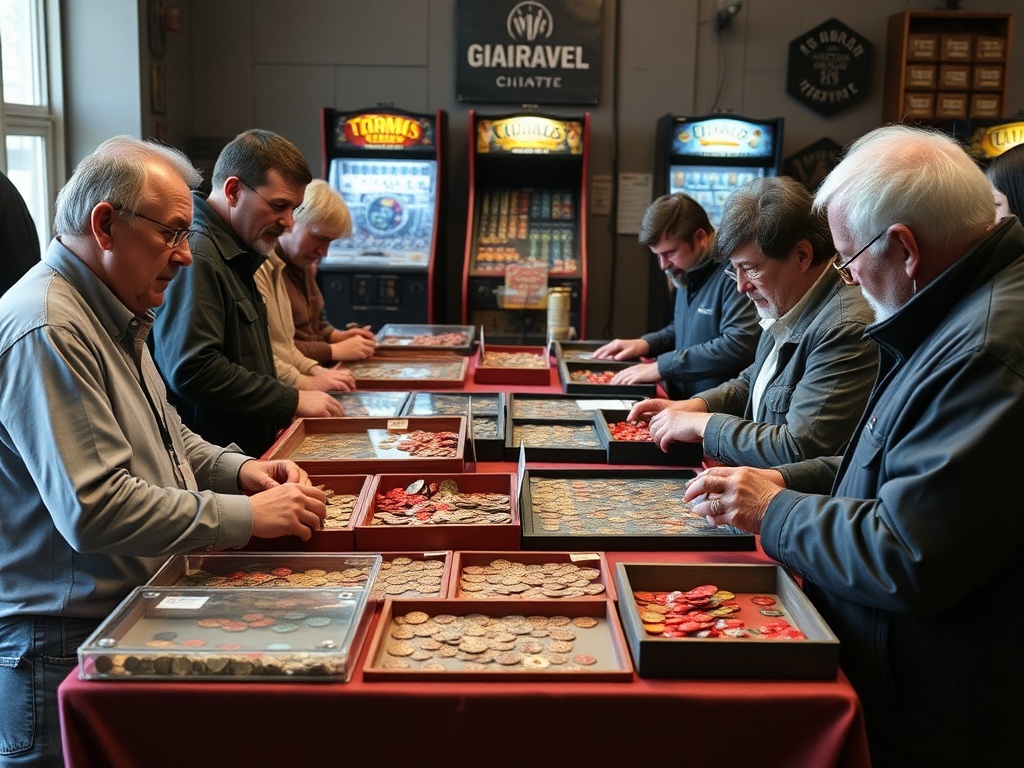
- Local coin shows and collectibles expos
- Online marketplaces with active sellers
The best pieces rarely sit in public listings for long. They move quietly through networks.
Step 5: Track Your Collection Like an Investor
If you want value growth, treat your collection like a portfolio.
Create a simple tracking system:
- Purchase price
- Estimated market value
- Condition notes
- Source (auction, trade, private sale)
This helps you spot trends—what’s rising, what’s stagnating, and what you should stop buying.

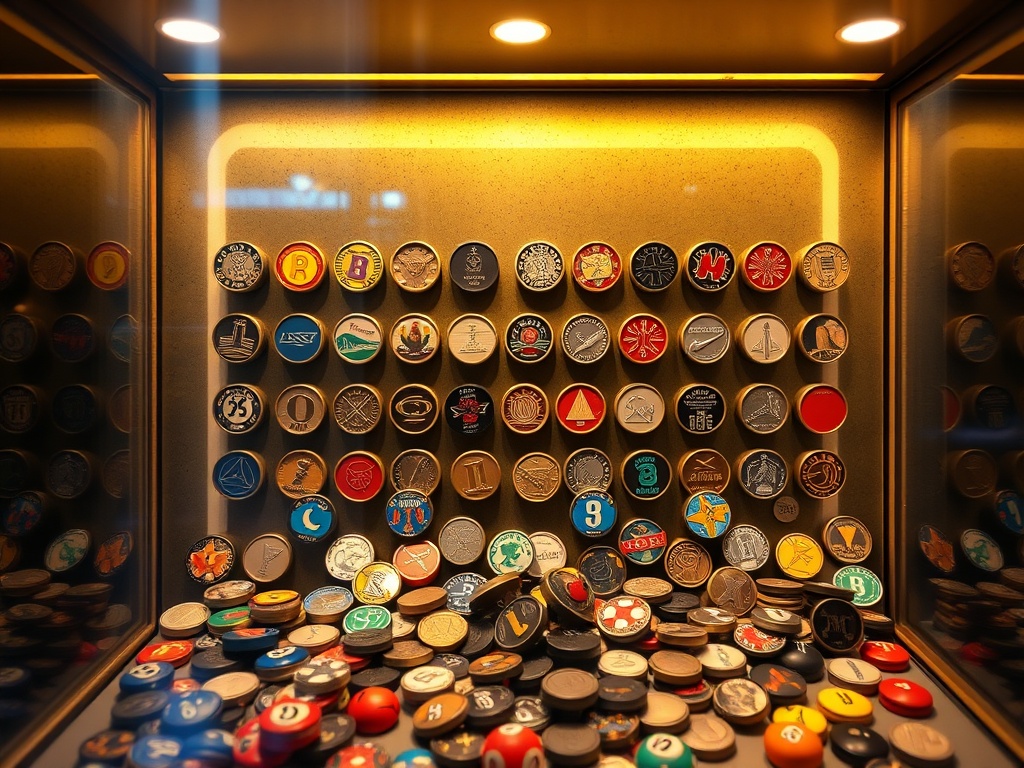
Step 6: Store and Display Without Damaging Value
Bad storage quietly kills value. Tarnish, scratches, and humidity damage are common—and preventable.
Best practices:
- Use acid-free holders or coin flips
- Avoid direct sunlight
- Control humidity with silica packs
- Handle with clean hands or gloves
Display matters too. A clean, intentional display increases perceived value if you ever sell.
Step 7: Know When to Sell or Trade Up
Collectors who grow value don’t just accumulate—they refine.
Ask yourself regularly:
- Does this piece still fit my focus?
- Can I trade it for something rarer?
- Has its value peaked?
Upgrading your collection is where real gains happen.
Step 8: Avoid the Most Common Collector Traps
Even experienced collectors fall into predictable traps:
- Buying for nostalgia instead of value
- Overpaying during hype cycles
- Ignoring condition issues
- Collecting too broadly
Staying disciplined is more important than being lucky.
Step 9: Play the Long Game
Arcade token collecting isn’t a flip-heavy market. Value builds slowly, often quietly.
The collectors who win are the ones who:
- Stay consistent
- Refine their niche
- Hold quality pieces long-term
Over time, a focused collection becomes more than the sum of its parts—it becomes a curated asset.
Final Thought
You don’t need a massive budget or decades of experience to build a valuable arcade token collection. You need clarity, patience, and a willingness to pass on mediocre pieces.
That’s the difference between a drawer full of tokens—and a collection people actually want to buy.